
Paula Gunn Allen
![Our actions today [...] are guided by our reflection on our ancestors’ perspectives and on our desire to be good ancestors ourselves to future generations. Kyle Whyte](https://cdn.casl.cal.msu.edu/uploads/sites/2/sites/60/2021/08/Headshot-IMG_2337-150x150.png)
Kyle Whyte
![If a person wanted to get to the moon, there was a way; [...] it depended on whether you knew the story of how others before you had gone. Leslie Marmon Silko](https://cdn.casl.cal.msu.edu/uploads/sites/2/sites/60/2021/08/920919c675c3a5892455e081ee4a45ea-150x150.png)
Leslie Marmon Silko
![The future of [humankind] lies waiting for those who will come to understand their lives and take up their responsibilities to all living things. Vine Deloria Jr.](https://cdn.casl.cal.msu.edu/uploads/sites/2/sites/60/2021/08/Vine_Deloria-150x150.png)
Vine Deloria Jr.

College Welcomes 20 New Faculty and Staff Members
With the start of the Fall 2026 Semester, the College of Arts and Letters is welcoming 20 new faculty and staff members whose talents, experiences, and perspectives will contribute to the college’s teaching, research, creative activity, and student support. New faculty and staff members will be recognized during the College of Arts and Letters’ 2026 Faculty and Staff Welcome Reception on Monday, Sept. 28.
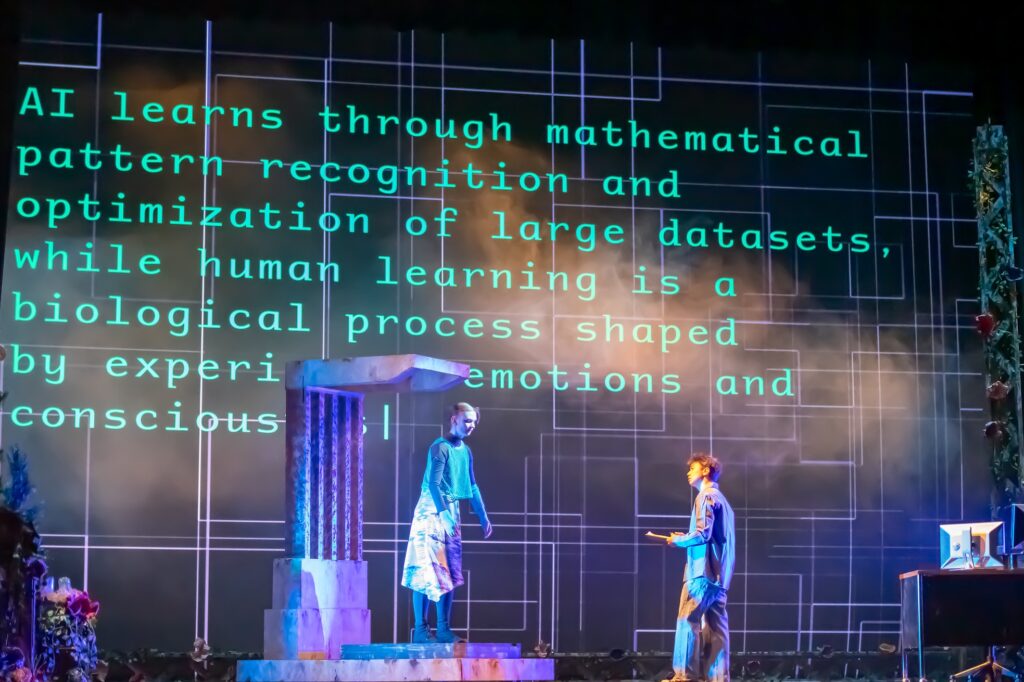
Arts and Humanities in Action: How MSU’s College of Arts and Letters Is Shaping Michigan’s Future
The impact of Michigan State University’s College of Arts and Letters extends far beyond campus. Across Michigan, students, faculty, and alumni are putting the arts and humanities to work through education, language access, accessibility, public engagement, and creative partnerships that preserve cultural heritage, expand opportunity, strengthen communities, and prepare the next generation of leaders. “The arts, culture, and humanities enrich our lives by helping us better understand ourselves and others, appreciate different perspectives, and find meaning and common ground in an increasingly divided world,” said Thomas Stubblefield, Dean of the College of Arts and Letters. “They foster a stronger

New Chapter: College Integration Strengthens Arts and Humanities at MSU
A new chapter at Michigan State University begins July 1, 2026, as the College of Arts & Letters and Residential College in the Arts and Humanities (RCAH) officially integrate, creating new opportunities for students, faculty, and the campus community while strengthening the arts and humanities at MSU. The integration brings together the broad academic programs and creative resources of the College of Arts & Letters with RCAH’s distinctive community-engaged residential education model.